
Be Mindful of Your Vitamin D
/ Maureen FarleyIn late winter, it’s advisable to be especially mindful of vitamin D intake. It’s been a number of months since skin and sun have mingled, and skin needs sun to produce vitamin D without supplementation.

Vitamin D is sometimes called “The Sunshine Vitamin”
When the temperatures are in the single digits, maintaining adequate levels of vitamin D through food intake alone is challenging. Vitamin D deficiency is so prevalent that one-billion people are estimated to be affected – it's known as a global health problem and even referred to as the “ignored epidemic”. Because we live in a northern climate and don’t have the sun on our skin for months at a time, we are at particularly high risk.
Vitamin D acts more like a hormone than a vitamin and has receptors on nearly every cell in the human body. It helps the body absorb and retain calcium and phosphorus critical for bone-building and bone health; it’s related to the immune system - playing a critical role in fighting infections - and to the endocrine function and the body’s inflammatory response. It regulates the function of more than 200 genes and is essential for growth and development.
Research during the last decade suggests that vitamin D deficiency may increase the risk of:

osteoporosis
obesity
heart disease
autoimmune disorders
diabetes
multiple sclerosis
tuberculosis
chronic fatigue syndrome
seasonal flu
neurological diseases like Alzheimer’s
It plays a role in causing seventeen varieties of different cancers. There are studies that also are investigating a possible link between vitamin D deficiency and depression, anxiety, and Seasonal Affective Disorder (SAD).
Natural sources of vitamin D include fatty fish like salmon, sardines, swordfish, tuna, cod liver oil, egg yolks, portabella mushrooms, and beef liver, and dairy products and breakfast cereals often are enriched with it.

Researchers and doctors agree that it can be challenging to consume enough vitamin D through food alone, but there is considerable debate about how much people need each day.
In the United States the Recommended Daily Allowance is 600 IU (international units). The Harvard School of Public Health recommends at least 1000 IU daily; the Endocrine Society recommends 1,500 – 2,000 IU per day for adults and 1,000 IU for children. If you are clinically deficient in vitamin D, however, you may need much larger doses (6,000 IU daily or more) for a time for your body to achieve a healthy level. It important to note that since vitamin D is fat-soluble and the body has no easy way of getting rid of fat-soluble vitamins, it is possible to over-consume.
If you are concerned about potential deficiency, the best course of action is to check with your physician, get a blood test, and follow the recommendations given.
If you have resisted the idea of supplementation, this might be the time to consider the benefits. In addition to the myriad benefits listed above, there is even a medical study that demonstrated people with healthy levels of vitamin D live longer.
Spring is around the corner, and skin and sun soon will meet again.
In the meantime, be mindful of vitamin D.
Sources:
Harvard.edu, JAOA.org, NLM.gov, Institute of Physiology
The content herein is not intended to be a substitute for professional medical advice, diagnosis, or treatment. Always seek the advice of your physician or other qualified health provider with any questions you may have regarding a medical condition.

Maureen is a yoga teacher, teacher training faculty member, reiki master, and member of the management team at Green Lotus Yoga and Healing Center.
Practice with Maureen
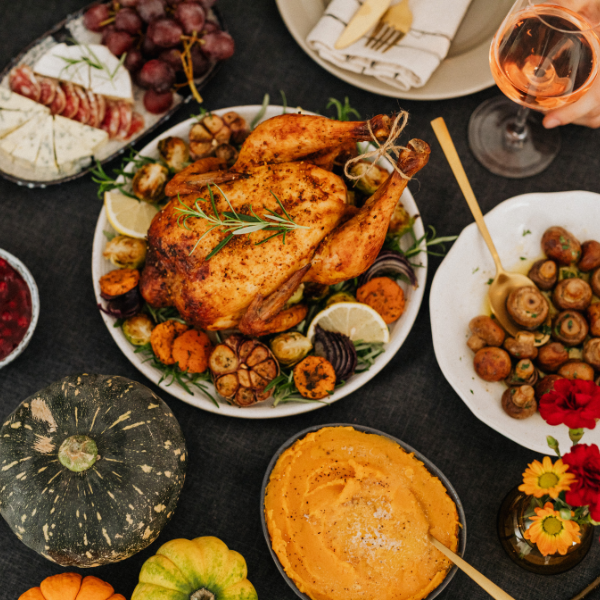
This holiday season, when treats are everywhere and routines fall apart, one simple shift can bring you back home to yourself: eating the yoga way.

Maureen knows that cooking is not just a utilitarian activity. It’s creative, meditative, and artistic. How so? Find out in this intriguing piece, along with a delicious recipe for a fall stew.

Trying to beat the heat this summer? Ayurveda has some wonderful answers for balancing the body’s energy and metabolism. So skip the alcoholic cocktails this summer and try these naturally cooling drinks…

Growing up, my family had 12 apple trees in our backyard. One of my favorite ways to eat apples was also the simplest: sliced, drizzled with honey, and sprinkled with cinnamon. Read on to learn more about the sometimes surprising health benefits of this heart-healthy treat.

Winter in Minnesota has a way of making us all feel a little… stuck. Stuck in the same meals, the same routines, and (let’s be honest) the same sweatpants. But then, like magic, spring shows up. If you’re itching to shake off winter and feel your best, here are five spring superfoods that are actually in season here in Minnesota.

Ahh, the holiday season is upon us – a time for cozy gatherings, festive decorations, and, of course, tables full of delicious dishes. There’s something so comforting about the tradition of holiday food, right? But what if we add a little twist this year?

Tepache is a yummy, lightly sweet, and refreshing drink prepared using only three ingredients: pineapple peels, sugar, and water.

Whether you're driving kids to school or sports or heading to yoga class, one challenge we often face is eating healthy on the go. I’m sharing some tips on packing nutritious snacks that keep us (and our kids!) feeling great and energized throughout our journeys. Plus, I’ve got a super tasty recipe for Chocolate Cashew Bliss Balls…

Eating whole foods on a budget might seem like a tall order. Trust me, it’s doable, and it can even be fun!

As the summer heat picks up, winding down in the evenings with a cool, refreshing drink really sets the mood, doesn't it?

Eggs have long been regarded as a symbol of spring. From ancient civilizations to modern times, eggs have, for ages, symbolized new life….

This recipe, from Anna Klimmek, of Happy Food MN, is healthy, easy, colorful, and seasonal. It is truly a taste of springtime!

#girldinner actually is a fizzy new take on a revered tradition. We hope you enjoy our assembled ideas and add to them.
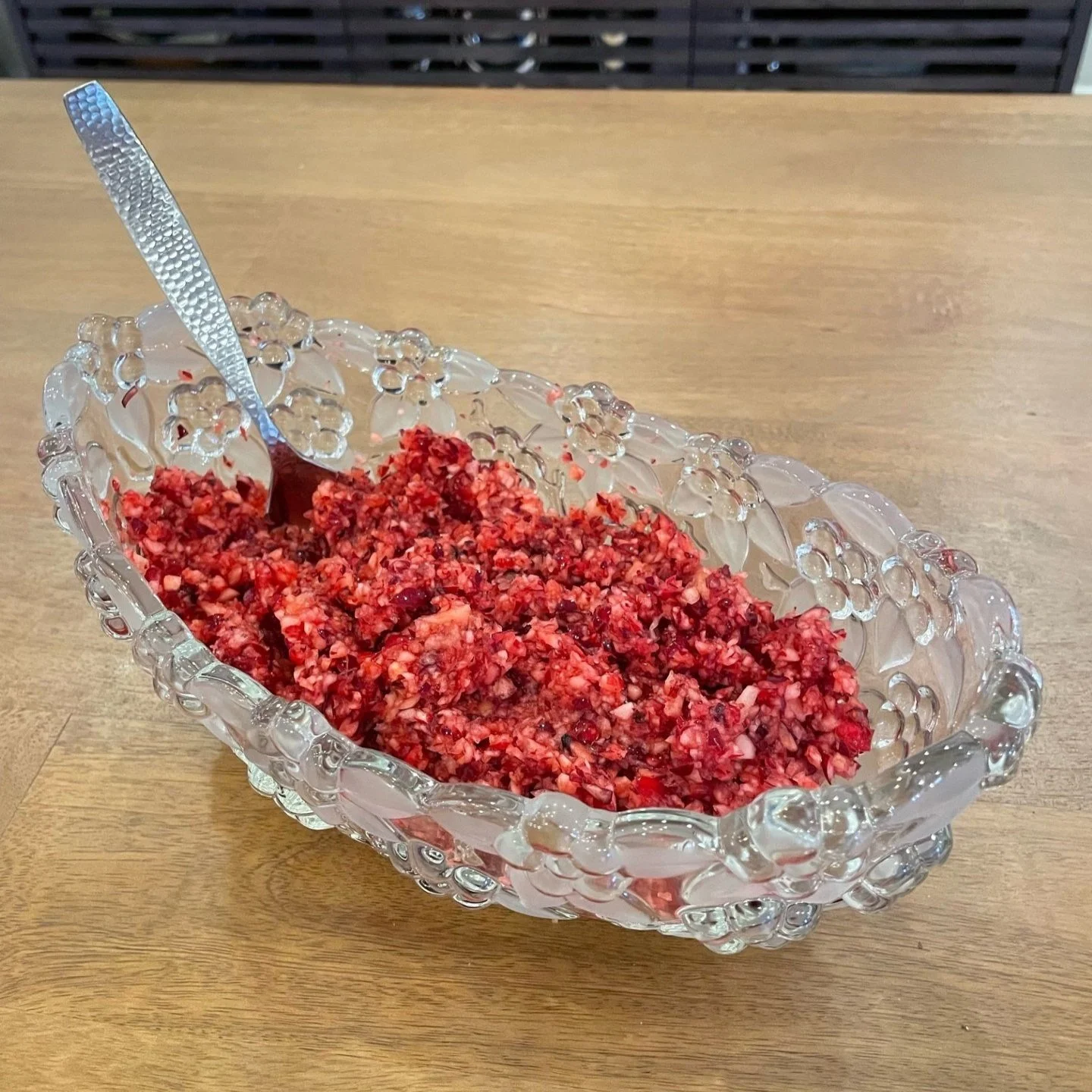
I can’t remember when or where I found this recipe, but it has been my go-to my entire adult life: My family members vie for the leftovers, if there are any. This recipe only takes five minutes from start to finish – and there is no cooking.
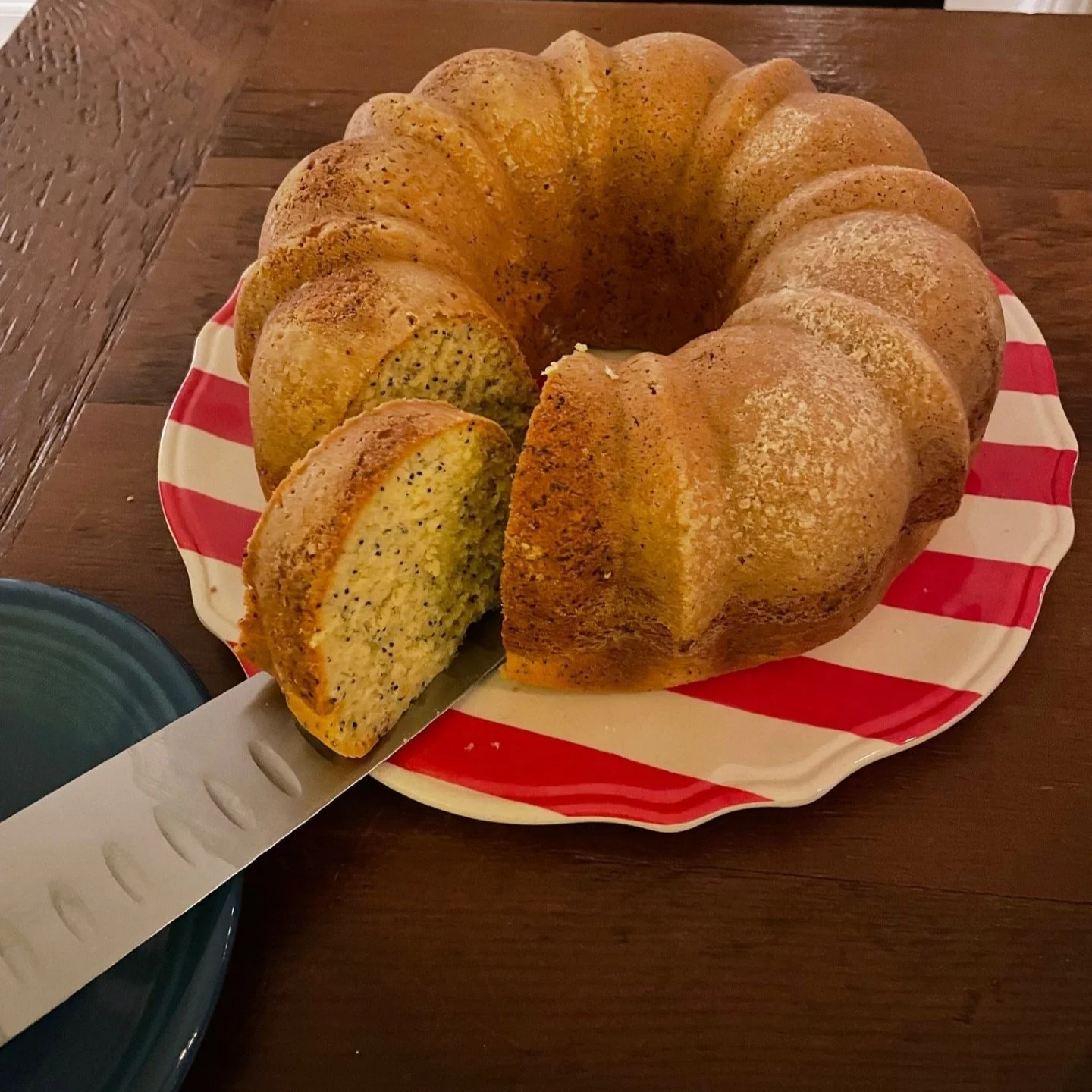
This recipe is quick, easy, and a great way to create a share-worthy snack or dessert. Everyone – the kids, grandkids, and great grandkids – devour this at our holiday gatherings.

Many years ago, my neighbor would make and distribute the best eggnog in the world to everyone in our little community in Mesa, Arizona. I eagerly anticipated the arrival of her Mason jar of holiday cheer each year.

Popcorn balls held a special place in Mom’s holiday recipes. Starting with Halloween, they would make appearances at Thanksgiving, Christmas, and New Year’s as well. Soft and gooey, not those horrible dry things that could chip a tooth, she lovingly wrapped them in wax paper and tied a colorful ribbon around the twisted top. Then they would go in a paper bag and be stored in a warm closet to be doled out when people stopped by or as gifts.

It has been a tradition in our neighborhood for 30 years to light luminaries on Christmas Eve. Although we've only lived in our home for 10 years, it quickly became one of our favorite traditions.

I love these cookies during the holidays, not only because they are fun to make and delicious, but also because they come from my grandmother’s Cooky Book by Betty Crocker, copyright 1963.
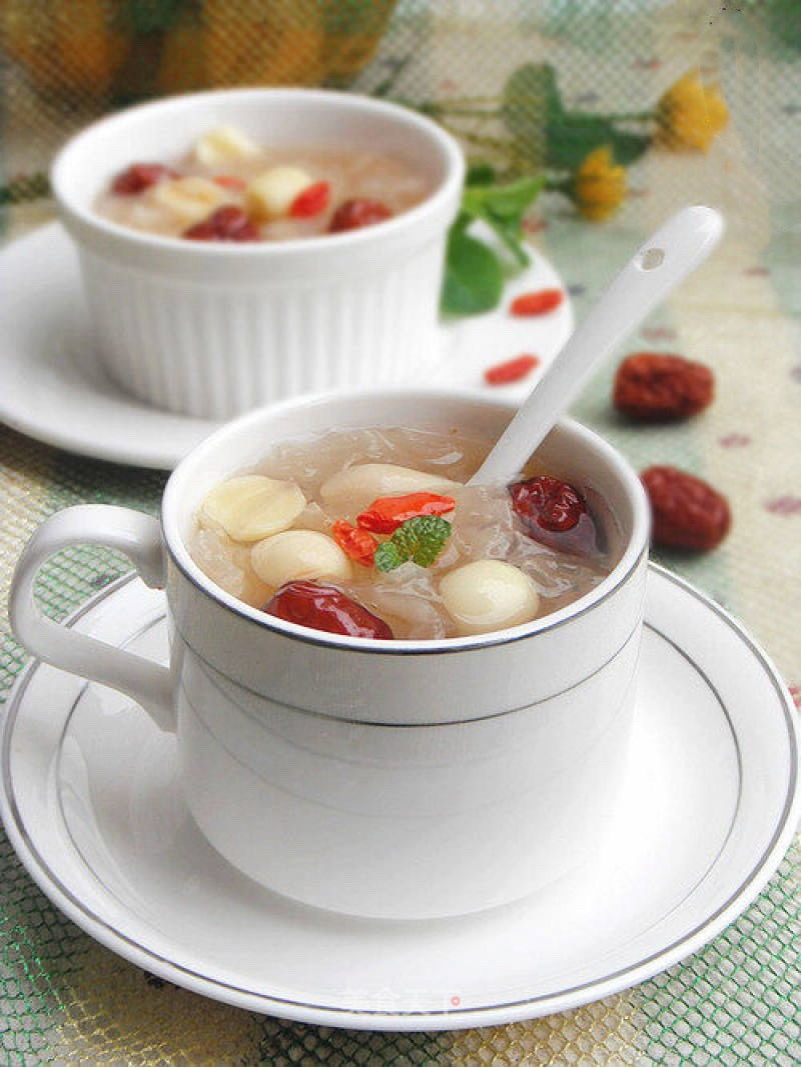
White Wood Ear Mushroom and Lily Bulb Herbal Soup is a delightful blend of nourishment and flavor, easily crafted for a nutritious experience. This soothing soup aids in moisturizing dry lungs, reducing inflammation, and nurturing the digestive system, all while promoting a radiant and healthy complexion. White wood ear mushrooms, rich in collagen, proteins, and antioxidants, add a unique touch to the taste and wellness of this warm, comforting dish.


Vitamin D deficiency is so prevalent that one-billion people are estimated to be affected – it's known as a global health problem and even referred to as the “ignored epidemic”.

In Ayurveda, we use the subtle qualities of foods to bring balance to our bodies and to our minds and energies. If we eat in balance with the seasons and our personal constitutions, or doshas, our bodies will have the ability to digest and assimilate the foods we eat, and we will receive all of the necessary vitamins and minerals from food. Our systems will be able to efficiently eliminate the waste products. When our systems are balanced, we will not crave unhealthy foods or have the urge to overeat.

This recipe is inspired by a Greek Avgolemono (Lemon and Egg soup). It uses a powerhouse of the fungi kingdom – Lion’s Mane mushrooms. Enjoy the flavors – and the health benefits – of this wonderful pre-trick-or-treat stew!

This recipe, Harvest Sideshow, comes from a delightful workshop I attended in 1999 called Jazz Cooking, led by the amazing Twin Cities author and thought leader Leah Skurdal. The essence of the class, explained so beautifully by Leah, is that there are basic flavor and texture groupings in cooking, just as there are basic chord progressions and patterns in jazz. Once we know those groupings and patterns, we can work with them and "riff", playing within that framework.
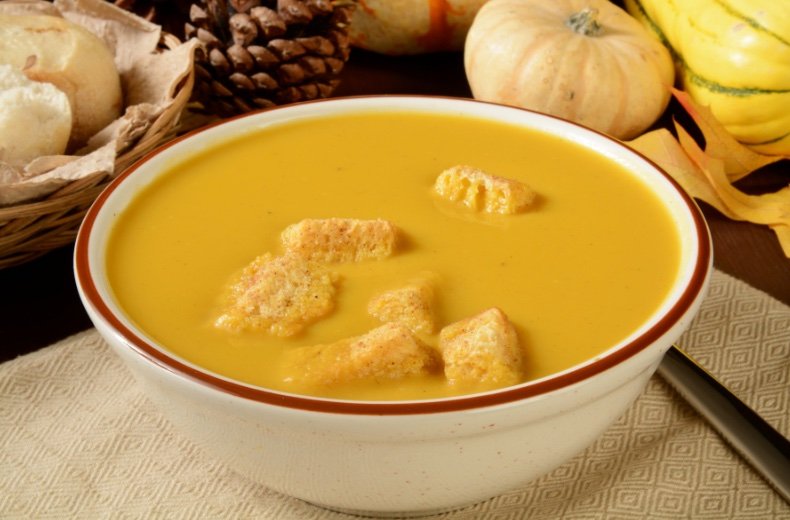
This creamy, nourishing soup is perfect winter comfort food. The simple ingredients allow the roasted squash flavor to shine through, or if you are in the mood for spice, this recipe can be easily adapted. It also can be used for a unique and healthy breakfast.

“The beet is the most intense of vegetables. The radish, admittedly, is more feverish, but the fire of the radish is a cold fire, the fire of discontent, not of passion. Tomatoes are lusty enough, yet there runs through tomatoes an undercurrent of frivolity. Beets are deadly serious.”

It’s easy to make matcha at home and start reaping its health benefits. It tastes earthy and grassy and can be consumed as a cup of tea or as a latte; both are delicious hot or cold. Matcha is a tasty ingredient in baked goods…

Curtido is a Salvadoran fermented cabbage slaw, like sauerkraut, and with some kick. It is a tasty and healthy accompaniment to anything you might put cabbage on like tacos, enchiladas, pupusas, soups, brats, sandwiches, rice bowls, stir-fry dishes, and more. It's tangy and crunchy, and you can make it as spicy (or mild) as you like. It’s quick and easy to prepare and keeps for months in the refrigerator, retaining its crunch and health benefits.
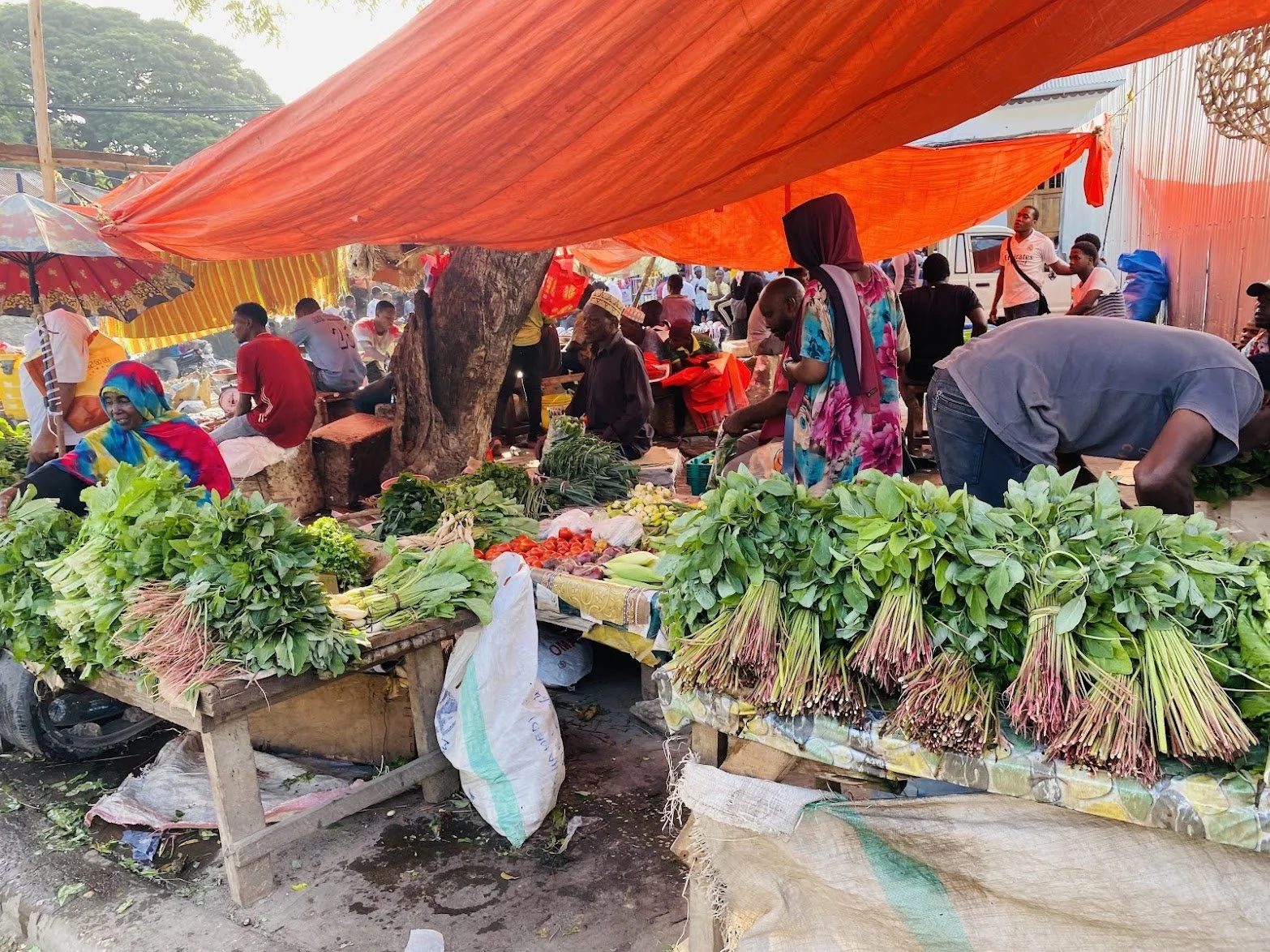
Each lunch and dinner began with the most incredible soups and almost always included a stew option. Here are three of our favorites from our favorite Tanzanians, who shared them with love.